The Missing Link in Your Recovery: Why Your Vagus Nerve Matters & How Integrative Therapeutics Can Help!

Updated: Feb 13

Introduction: Are You Struggling with Slow Recovery, Chronic Pain, or Inflammation Despite Doing Everything Right?
Are you an athlete or an active individual frustrated by slow recovery, chronic tendonitis, or injuries that just won’t heal? You’re eating clean, taking collagen, sleeping well, and following your training plan—so why isn’t your body bouncing back? The answer may surprise you: it’s not just your muscles, diet, or supplements—it could very well be your vagus nerve.
What is the Vagus Nerve? Your Body’s Recovery Superhighway
The vagus nerve isn't a gambling mindset you take to Nevada and has nothing to do with the strip. It is, however, a critical part of your autonomic nervous system (think automatic, in that you don't have to think in order for it to function!) and acts as a communication superhighway between your brain and the following vital organs:
Heart
Lungs
Stomach
Large Intestine
Liver
Pancreas
Gallbladder
Most people overlook this nerve, but it’s essential for regulating inflammation, healing, and recovery after workouts or injuries.
How the Vagus Nerve Impacts Inflammation and Healing
Inflammation is your body’s natural response to injury—whether it’s sore muscles after a hard workout or strained tendons from overuse. Short-term inflammation helps rebuild tissue while clearing out debris from damaged cells. However, if inflammation lingers for too long, it can lead to chronic pain, headaches, prolonged injuries, and fatigue. This is where the vagus nerve comes in. It acts as an anti-inflammatory switch, signaling your immune system to slow down inflammation. Optimal vagal tone ensures your body heals efficiently and knows when to “turn off” the inflammatory response.
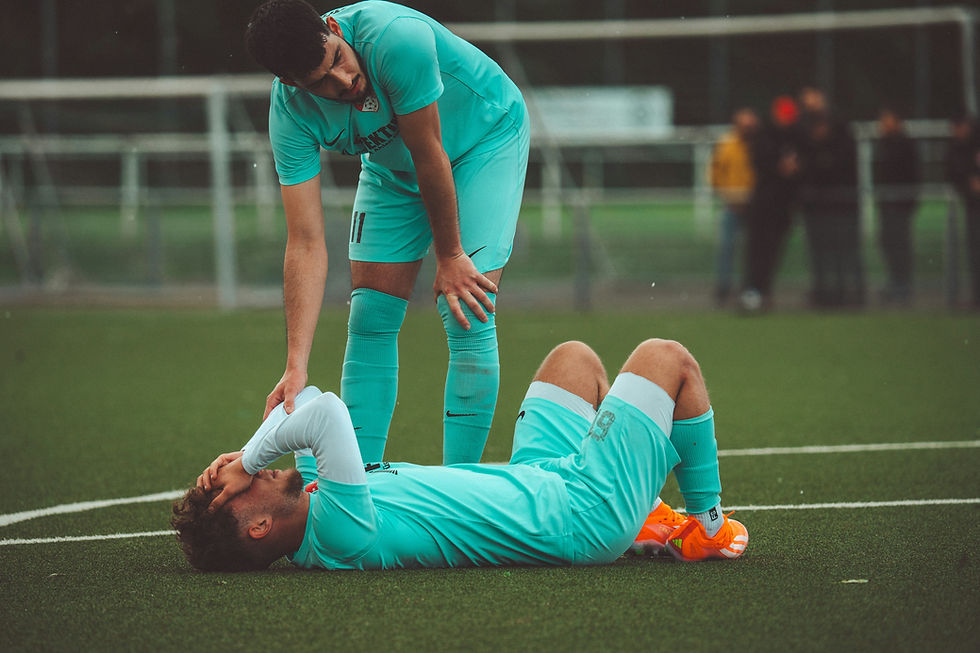
Why Chronic Stress Sabotages Your Recovery
If you’re dealing with work, family, and an injury, chronic stress can keep your body in a constant fight-or-flight mode. This high threshold state disrupts your parasympathetic nervous system and directly suppresses vagal nerve activity (which negatively affects healing). In addition, chronic stress weakens your gut barrier, allowing toxins into your bloodstream which can further trigger systemic inflammation. As a result, your body struggles to shift into recovery mode, even during rest, and allows injuries to worsen.
Case Example: A 30-year-old client with persistent back pain was doing everything “right”—except addressing his vagal tone. Once we focused on improving his vagus nerve function, his recovery accelerated significantly!
How to Stimulate Your Vagus Nerve for Faster Recovery
The good news: you can improve your vagal tone with simple, evidence-based techniques. Here’s how to activate your vagus nerve to help boost your recovery:

Deep Breathing Exercises (5-10 minutes daily):
Diaphragmatic or belly breathing stimulates the vagus nerve, lowers heart rate, and promotes a healing state. Try slow cyclic breathing, box breathing, or mindful breaths before bed.
Cold Exposure (30 seconds to 3 minutes):
Brief cold showers, ice baths, or splashing cold water on your face activate the vagus nerve. Start with short exposures and gradually increase duration.
Meditation and Mindfulness (10-20 minutes daily):
Meditation enhances vagal tone and reduces inflammatory markers. Even short, guided sessions can make a difference in your recovery process.
Exercise:
Consistent exercise improves vagal tone, whereas overtraining can suppress it. Listen to your body and prioritize rest.
Still Struggling? Integrative Therapeutics Can Help!

If you've tried deep breathing, meditation, exercise, or cold exposure, and still struggle, you may need more advanced, targeted treatment. At our local Ellisville clinic, we offer high-tech electrical stimulation that is both safe and gentle. With our research backed protocols, we offer a comfortable in-house solution that has been shown to help our clients calm an over-active nervous system, reduce chronic pain, and decrease inflammation.
Indeed, Integrative Therapeutics is here to help!
Why Vagus Nerve Health is Essential for Athletes and Active Individuals
If you’re battling an injury that won’t heal, persistent pain, or chronic fatigue despite your best efforts, your vagus nerve could be the missing link. Optimizing vagal tone supports all other recovery strategies—physical therapy, nutrition, sleep, and more.
*Remember: Enhancing vagus nerve function complements, not replaces, proper medical care and rehab. It’s the factor that helps your body fully commit to healing.
Take Action: Simple Steps to Boost Your Recovery Today
Choose one vagus nerve stimulation technique (deep breathing, cold exposure, meditation).
Practice consistently for two weeks.
Monitor your recovery, mood, and energy levels.
If you’re still struggling with chronic inflammation, pain, or injuries that won’t heal, you may need a more comprehensive and targeted approach. That’s what Integrative Therapeutics offers—holistic, integrative recovery plans addressing the root cause of dysfunction.

Ready to Accelerate Your Recovery?
Your body wants to heal. Sometimes, it just needs the right signals.
Let’s uncover what’s holding you back and build a recovery plan that works for your body and your lifestyle. Contact us today to discuss your recovery challenges and discover how optimizing your vagus nerve can help you get back to moving, training, and living without limits.
Think of it as your personal trip to 'Las Vagus'—where what happens with your nervous system doesn't stay a mystery, and the odds are finally in your favor.
Want help recovering more safely at home?
If pain, stiffness, or slow recovery feels confusing, we created a free Recovery Guide to give you a clear place to start. It walks you through simple recovery principles we use with patients every day — without guesswork or quick fixes.
Here's to your health, and recovery!
Dr. David Didlake, DPT
PT, Cert. SMT/DN, CSCS, Cert. TPI Medical Level 3, Dip. Osteopractic, FAAOMPT
Owner, Integrative Therapeutics "Home of the Saint Louis Golf Doc"
Follow me @theintegrativeclinic @thestlgolfdoc
About the Author
Dr. David Didlake, PT, DPT is a fellowship trained integrative physical therapist and golf performance specialist with extensive experience in sports injury recovery, headache management, and painful spinal conditions. He holds advanced certifications in manual therapy, dry needling, and golf performance, and as owner of Integrative Therapeutics, he is passionate about helping active adults achieve their goals safely and effectively.
Medical Disclaimer
This article is for informational purposes only and does not constitute medical advice. Always consult with a qualified healthcare provider before beginning any new treatment or therapy.
Related Articles
What is Integrative Physical Therapy? Understanding Treatment, Benefits & Expert Care. by Dr. David Didlake, DPT
Understanding Pain: A Journey Through Your Body's Warning System. by Dr. David Didlake, DPT
The Science of Healing: Understanding How Your Body Recovers From Injury. by Dr. David Didlake, DPT
Collagen: The Essential Protein for Golf Performance and Recovery. by Dr. David Didlake, DPT
Golf Mobility Exercises: The Foundation of a Powerful Swing. by Dr. David Didlake, DPT
Whey Protein Benefits: Essential for Recovery and Performance. by Dr. David Didlake, DPT
The Critical Role of Hydration in Athletic Performance and Overall Health. by Dr. David Didlake, DPT
Pickleball Injury Prevention: How to Stay Safe on the Court. by Dr. David Didlake, DPT
Low Back Pain in Golfers: Evidence-Based Treatment & Prevention Tips from a Fellowship Trained Integrative Physical Therapist. by Dr. David Didlake, DPT


Comments